About the Lab
WhiskItLab's Principal Investigator: Yidideya T.
WhiskItLab is my personal project where every recipe doubles as a hands-on experiment for a real lab technique.
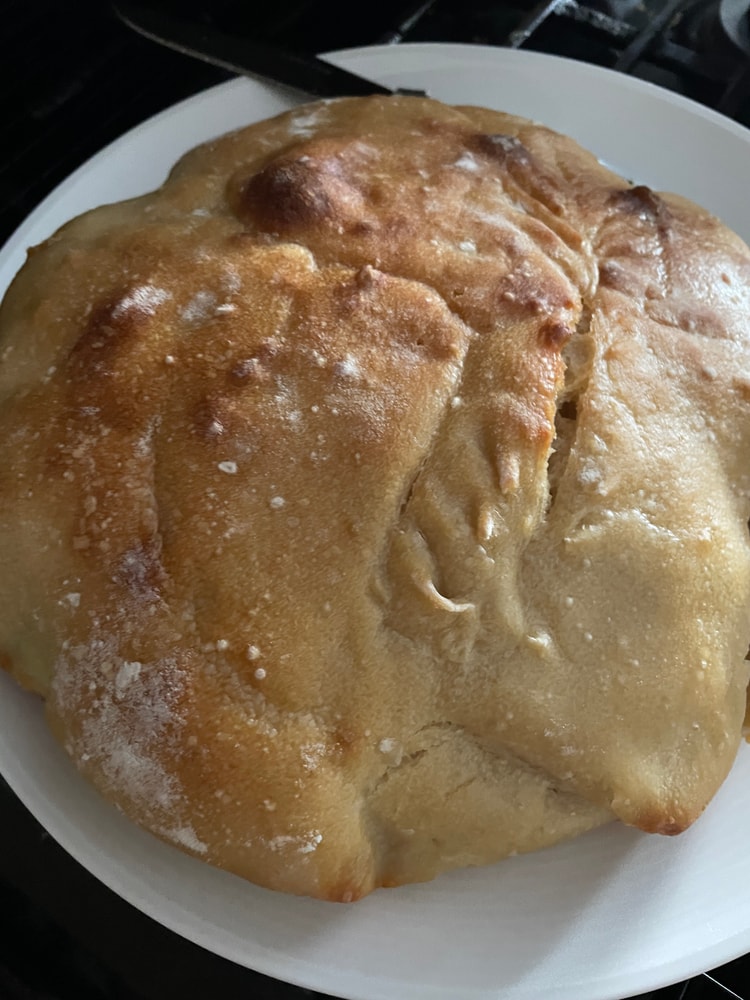
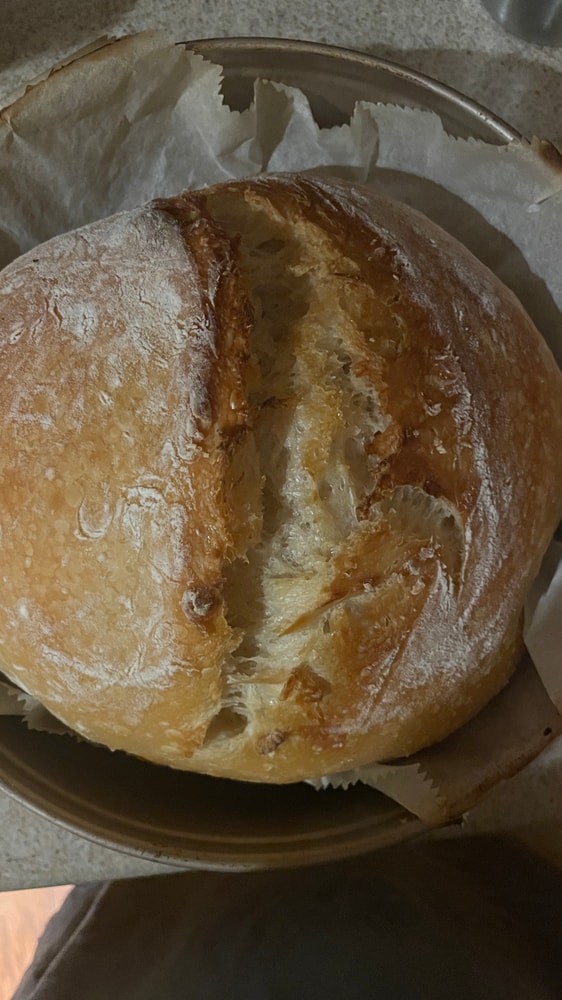
Lab notebook · entry 001
When I first got serious about baking, the hardest part was not the baking itself. It was deciding what to bake. I only knew a handful of recipes, and every search led back to the same few classics. I wanted to explore, but I had no map of what was out there, and no sense of how a technique I read about actually showed up in a real kitchen.
That frustration became WhiskItLab. I built it to give people the exposure to different cultures through baking that I wish I had when I was struggling to know how and what to bake. Each recipe is a window into a tradition, from mochi to pandoro to mandazi, and every one is paired with the technique that makes it work, so you are never copying blindly. You are understanding while you bake.
Something else surprised me along the way: baking made me a better student. The precision of weighing ingredients to the gram, controlling temperatures, timing reactions, and writing down what changed between batches is exactly how I now run experiments in my school labs. Same careful habits, different equipment. Baking isn't only a hobby, it's a talent, and it's also science.
One thing to know before you explore: WhiskItLab is not a cookbook for perfectly replicating the recipes here. It is a place to learn about the recipes that exist, the cultures within them, and how their methods connect to a real lab setting. The goal is to grow your creativity and your interest, so that the techniques you pick up here become the tools you use to invent recipes of your own.
The mission
120
Recipes published
42
Lab techniques
6
Continents covered
Why chemistry + baking
01
Real technique, real research
Every glossary entry ties a kitchen skill to actual research fields: Pharmaceutical crystallization, Maillard and diabetes research, Pasteur fermentation, and more.
02
Learn by tasting
Memory sticks when it is delicious. Each experiment ends with something edible, so the concept is learned with your hands and your taste buds at the same time.
03
Global by design
Recipes are drawn from 6 continents, because chemistry is universal but flavor is local. Every technique gets demonstrated across many traditions.
Ready to run an experiment?